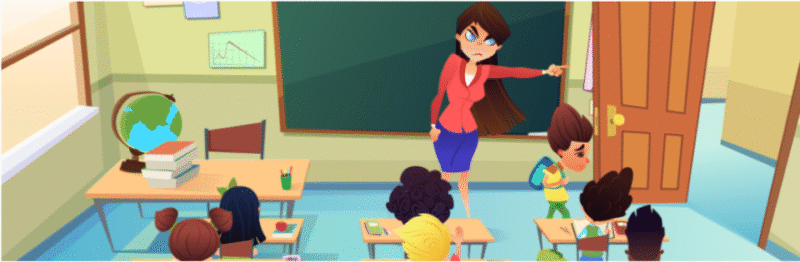
Zero-tolerance discipline – strict rules that punish students harshly for even minor misbehavior – has helped push many young people in New York from their classrooms into the criminal justice system. In public schools across the state, zero-tolerance often means suspensions, expulsions, and even police involvement for infractions like skipping class, talking back, or minor fights.
The consequences are real and alarming. For example, during the 2010-2011 school year in New York City alone, students served 73,441 suspensions – more than double the number a decade earlier. Black students made up only about 30% of enrollment, but accounted for over half of those suspensions – a stark racial disparity. Students with disabilities, though roughly 15% of the student population, received more than 30% of suspensions.
These harsh discipline practices don’t just interrupt school – they have long-term effects. Research shows that students suspended or expelled are significantly more likely to drop out, once they leave school, they are much more vulnerable to involvement with the juvenile justice system. In fact, attending a school with a high suspension rate was tied to a 15-20% increase in the likelihood of arrest or incarceration as an adult.
Because zero-tolerance policies disproportionately target Black students, students with disabilities, and other vulnerable youth, they deepen inequality – and in many cases, begin a path out of school and into prison, rather than into opportunity.
As parents, it’s critical your recognize how these blanket discipline strategies – originally created for serious, violent misbehavior – are now being applied to everyday school situations. That matters, not just for our children’s education, but for their future.
What you Can Do:
If your child is facing a suspension – or you’re worried about how school discipline may affect them – please take a moment to explore the rest of this website. You’ll find easy-to-understand guides on your rights, step-by-step instructions for responding to suspension notices, and information on how schools must support your child. We also provide direct links to community organizations, legal services providers, and advocates who can help you take the next steps. You don’t have to navigate this alone – start by looking through the resources on this site so you can protect your child’s education and future.

